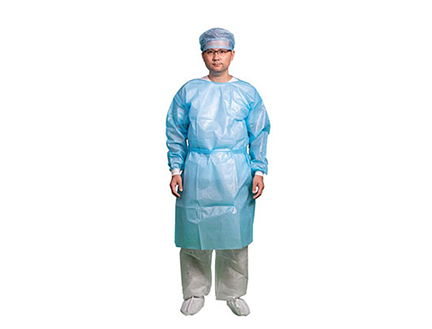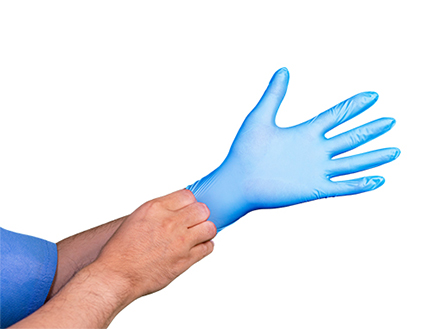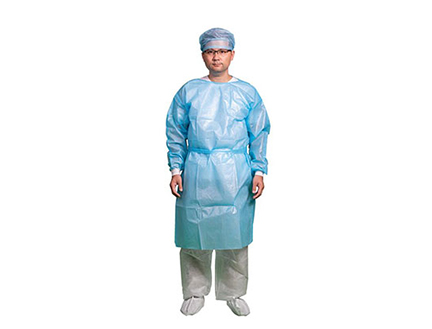

In laboratories, clinics, hospitals, and research facilities, lab gowns and disposable lab coats serve as critical barriers against chemical splashes, biological agents, particulate matter, and cross-contamination. While often used interchangeably, these two protective garments differ in design, materials, protection levels, and ideal use cases.
This comprehensive 2026 guide explains the key differences, helps procurement and infection control teams select the right solution, and shows how to integrate lab gowns into a complete head-to-toe PPE system.
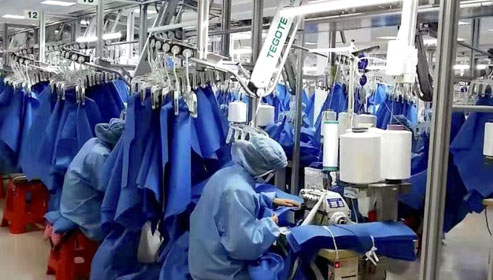
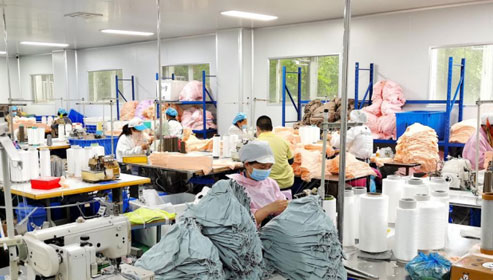
Disposable lab gowns (also called laboratory gowns or lab coats disposable) are single-use protective garments typically made from non-woven fabrics such as spunbond polypropylene (PP), SMS (Spunbond-Meltblown-Spunbond), or PP+PE laminated materials. They are designed for quick donning/doffing and safe disposal after use.
Key characteristics include:
· Full frontal coverage with long sleeves and knit cuffs or elastic
· Snap or tie closures for secure fit
· Available in various lengths (knee-length preferred for better protection)
· Lightweight yet effective barrier performance
JQ Care’s disposable lab coats are engineered for comfort during long shifts while meeting international hygiene and barrier requirements.
Lab gowns PPE emphasize fluid and particulate resistance for higher-risk environments, whereas traditional reusable lab coats (often cotton-poly blends) are more common in low-risk general chemistry or teaching labs.
Disposable versions eliminate laundering concerns, reduce cross-contamination risks, and are preferred in biosafety level 2 (BSL-2) labs, clinical settings, and during outbreaks.
Here is a clear comparison table to help you choose the most suitable option:
Aspect | Disposable Lab Gowns / Lab Coats | Reusable Lab Coats (Cotton/Poly) | Isolation Gowns (AAMI Levels) | Best For |
Usage | Single-use, high-turnover environments | Multiple uses after laundering | Patient isolation & fluid exposure | Disposable: Labs, clinics, BSL-2 |
Material | PP, SMS, PP+PE non-woven | Cotton-poly blend or flame-resistant fabric | SMS or laminated non-woven | Depends on hazard level |
Fluid Resistance | Moderate to high (Level 1–3 equivalent) | Low (unless treated) | Level 1–4 (AAMI PB70) | Disposable & Isolation for fluid risk |
Particle Barrier | Excellent (low lint) | Moderate | Good to excellent | Disposable lab coats |
Chemical Splash | Good with PE lamination | Limited unless specialized | Varies by level | PP+PE lab gowns |
Comfort & Breathability | High (lightweight) | Good but heavier when laundered | Moderate to high | Long laboratory shifts |
Flame Resistance | Not inherent (special FR versions available) | Can be treated | Usually not required | Chemical labs with open flames |
Cost Structure | Higher per use, lower total ownership (no laundry) | Lower per use but requires laundering | Varies | High-volume facilities prefer disposable |
Global Standards | AAMI PB70, EN 13795, ASTM F1670/F1671, ISO 13485 | OSHA lab coat guidelines | AAMI Level 1–4 | International compliance |
(Data based on 2025–2026 industry standards and manufacturer specifications.)
Quick Recommendation:
· For general laboratory work with low fluid risk → Standard disposable lab coats (PP or SMS).
· For potential exposure to bodily fluids or infectious materials → Choose lab gowns PPE with higher barrier performance (SMS or PP+PE).
· For operating rooms or sterile procedures → Refer to reinforced surgical gowns instead.
When sourcing for international facilities, compliance is non-negotiable:
· United States: AAMI PB70 (Levels 1–4 for barrier performance), ASTM F1670 (synthetic blood), ASTM F1671 (viral penetration), OSHA laboratory standard.
· Europe: EN 13795 for surgical and procedural gowns.
· International: ISO 13485 quality management systems + local biosafety regulations (e.g., BSL-1 to BSL-3).
Facilities in the EU, USA, Southeast Asia, and Middle East increasingly require third-party test reports. JQ Care provides full documentation and supports customization to meet these global standards.
· Clinical laboratories handling samples
· Hospital wards and outpatient departments
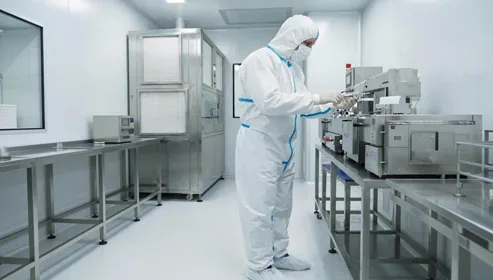
· Pharmaceutical manufacturing and cleanrooms
· Research facilities working with biological or chemical agents
· High-volume settings where laundering reusable coats is impractical or risky
Lab body protection is most effective when combined with proper head and foot protection. For optimal infection control and contamination prevention:
· Pair your disposable lab gown with disposable surgical caps or bouffant caps for head coverage.
· Complete the system with non-woven disposable shoe covers to protect floors and prevent tracking contaminants.
→ Read our guide: Disposable Surgical Caps vs Bouffant Caps: The Complete Guide to Medical Head Protection
→ Read our upcoming guide: Non-Woven Disposable Shoe Covers: Why They Outperform Plastic in Healthcare & Cleanroom Environments
In 2026, disposable lab gowns and lab coats remain essential PPE for protecting staff, patients, and research integrity across global healthcare and laboratory settings. Choosing the right type based on risk assessment, material performance, and compliance requirements can significantly reduce contamination incidents while improving staff comfort and operational efficiency.
JQ Care offers a wide range of high-quality, customizable disposable lab coats and lab gowns PPE with consistent barrier performance, breathability, and competitive wholesale pricing for international buyers.
Ready to strengthen your laboratory protection?
Explore Disposable Lab Coats →
Lab gown is a broader term often used for protective garments with higher barrier properties, while disposable lab coat typically refers to the classic white or colored knee-length coat style used in laboratories.
In high-risk or high-volume environments, disposable lab coats reduce cross-contamination risk and eliminate laundering costs. Reusable coats may be more economical in very low-risk general chemistry settings.
Level 1–2 is usually sufficient for routine lab work. Choose Level 3 or higher if there is moderate to high risk of fluid or infectious material exposure.
Premium disposable lab gowns from reputable manufacturers comply with AAMI PB70, EN 13795, and ASTM standards. Always request test reports.
Standard lab coats are not sterile and are not intended for surgical procedures. Use reinforced surgical gowns instead for OR environments.
Yes. All JQ Care disposable lab gowns and lab coats are latex-free and designed with low particle shedding to protect sensitive laboratory and cleanroom environments.
SMS fabric provides excellent breathability and fluid resistance. PP+PE lamination adds stronger liquid barrier for higher-risk applications.
Conduct a hazard assessment (chemical, biological, fluid risk), review staff feedback on comfort, check compliance requirements, and consider total cost of ownership (including disposal or laundering).
 English
 日本語
日本語 한국어
한국어 français
 Deutsch
 Español
 русский
 português
 العربية