
In hospitals, laboratories, pharmaceutical facilities, and cleanrooms, disposable shoe covers are essential to prevent floor contamination, maintain hygiene, and protect staff footwear from spills and biological hazards. While traditional plastic shoe covers (PE or CPE) have long been used, non-woven disposable shoe covers have become the preferred choice for many professional environments due to superior breathability, anti-slip performance, and overall comfort.
This 2026 updated guide provides a detailed comparison, helping procurement teams and infection control specialists worldwide select the most suitable shoe protection.
Non-woven disposable shoe covers are single-use foot protection made from high-quality spunbond polypropylene (PP) or SMS non-woven fabric. They feature elastic openings for easy donning, strong seams, and often include anti-slip soles or strips for enhanced safety.
Key characteristics include:
· Excellent breathability to reduce foot sweating during long shifts
· Strong tear resistance and low lint generation
· Effective barrier against dust, liquids, and particulates
· Lightweight (typically 20–40gsm) yet durable
JQ Care’s non-woven shoe covers are designed specifically for demanding medical and laboratory environments, offering a balance of protection and comfort.
View Non-Woven Disposable Shoe Covers →
Plastic shoe covers (polyethylene or chlorinated polyethylene) are thin, waterproof, and economical. However, they often suffer from poor breathability, high slip risk on wet floors, and easy tearing during movement.
They remain suitable for very short-term, low-risk use such as brief visitor entries, but fall short in extended professional settings.
Here is a comprehensive side-by-side comparison to support data-driven decisions:
Aspect | Non-Woven Disposable Shoe Covers | Plastic (PE/CPE) Shoe Covers | Best For |
Material | Spunbond PP or SMS non-woven | Polyethylene (PE) or Chlorinated PE (CPE) | Non-woven for professional use |
Breathability | Excellent – reduces foot moisture and odor | Poor – causes sweating and discomfort | Non-woven for long shifts |
Anti-Slip Performance | High (can add textured or coated soles) | Low – slippery on wet or polished floors | Non-woven in hospitals & labs |
Durability & Tear Resistance | Strong seams and fabric | Easily tears with movement | Non-woven for active environments |
Liquid Barrier | Good to moderate (excellent with SMS) | Excellent waterproofing | Plastic for extreme liquid spills (short term) |
Lint / Particle Shedding | Very low | Minimal but can generate static | Non-woven for cleanrooms |
Comfort (All-Day Wear) | High – soft and flexible | Low – stiff and noisy | Non-woven for healthcare staff |
Environmental Impact | Lower (thinner, less plastic waste) | Higher plastic content | Non-woven for eco-conscious facilities |
Cost per Pair | Slightly higher | Very economical | Plastic for high-volume visitors |
Global Standards | Meets ISO 13485, EN 13795 related requirements, ASTM slip resistance guidelines | Basic hygiene compliance | Non-woven for regulated medical environments |
(Data synthesized from 2025–2026 industry testing and user feedback reports.)
Recommendation: For hospitals, laboratories, operating rooms, and cleanrooms — choose non-woven disposable shoe covers. For short visitor access or extremely budget-driven scenarios with minimal movement — plastic shoe covers may still suffice.
International facilities must meet strict requirements:
· Europe: Compliance with EN 13795 principles for procedural protective clothing and ISO 13485 quality systems.
· United States: ASTM standards for slip resistance (F1677 or equivalent), OSHA facility hygiene guidelines, and AAMI-related best practices.
· Asia-Pacific & Global Markets: Increasing demand for low-linting, breathable solutions in pharmaceutical GMP facilities and hospital accreditation programs (JCI, etc.).
When procuring for cross-border projects (EU hospitals, US labs, Southeast Asian clinics), request detailed test reports for breathability, slip coefficient, and particulate cleanliness. JQ Care supports full documentation and customization to align with these global standards.
· Hospitals and clinical environments with high foot traffic
· Laboratories (BSL-1 to BSL-3) and research facilities
· Pharmaceutical manufacturing and electronics cleanrooms
· Long-shift healthcare workers requiring comfort and safety
· Facilities aiming to reduce cross-contamination and improve staff satisfaction
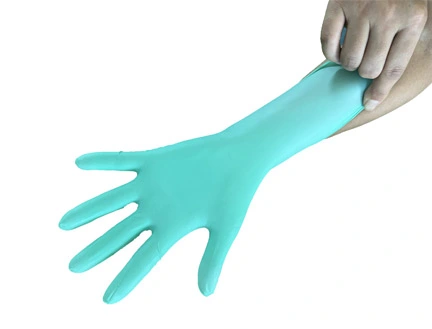
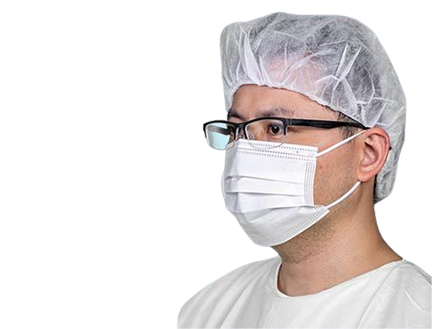
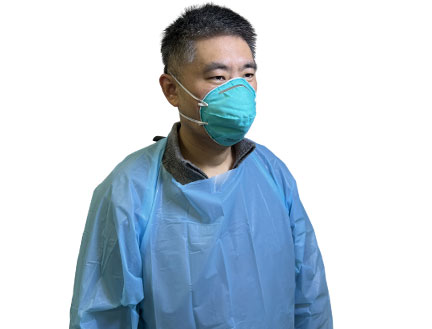
Shoe protection completes the protective chain. For maximum contamination control, combine:
· Head protection with disposable surgical caps or bouffant caps
· Body protection with disposable lab gowns or lab coats
· Foot protection with high-quality non-woven shoe covers
This integrated approach significantly enhances infection prevention in medical and laboratory settings.
→ Read our guide: Disposable Surgical Caps vs Bouffant Caps: The Complete Guide to Medical Head Protection
→ Read our guide: Lab Gowns PPE & Disposable Lab Coats: Essential Protection for Laboratories and Healthcare Facilities
In 2026, non-woven disposable shoe covers clearly outperform traditional plastic versions in most professional healthcare and cleanroom environments. Their superior breathability, anti-slip properties, durability, and staff comfort make them the smarter long-term choice for facilities prioritizing safety, compliance, and operational efficiency.
JQ Care provides premium non-woven shoe covers with consistent quality, competitive wholesale pricing, and reliable global shipping support for international buyers.
Ready to upgrade your facility’s foot protection?
Explore Non-Woven Disposable Shoe Covers →
Q1: What is the main advantage of non-woven shoe covers over plastic ones?
Non-woven shoe covers offer far better breathability, anti-slip performance, and comfort, making them ideal for long shifts in hospitals and laboratories.
Q2: Are non-woven disposable shoe covers waterproof?
They provide good liquid resistance, especially SMS variants. For extreme liquid exposure, consider CPE plastic covers for short-duration use.
Q3: Do non-woven shoe covers meet international medical standards? Yes. High-quality non-woven shoe covers comply with ISO 13485 and align with EN 13795 and ASTM guidelines. Always verify test reports from the manufacturer.
Q4: Can non-woven shoe covers be used in operating rooms?
Yes, they are widely used in ORs, especially when low-linting and anti-slip properties are required.
Q5: Which is more cost-effective in the long run?
Although plastic is cheaper per pair, non-woven covers reduce replacement frequency due to higher durability and improve staff compliance and comfort.
Q6: Are JQ Care non-woven shoe covers latex-free and low-linting? Yes. All JQ Care non-woven disposable shoe covers are latex-free and manufactured with minimal particle shedding, suitable for sensitive cleanroom and laboratory environments.
Q7: What features should I look for when buying non-woven shoe covers?
Prioritize elastic strength, seam quality, anti-slip coating or texture, appropriate GSM (25–40gsm recommended), and third-party test reports.
Q8: How do I decide between non-woven and plastic shoe covers for my facility?
Assess foot traffic duration, risk of liquid exposure, floor type, staff feedback on comfort, and compliance requirements. Most professional facilities now prefer non-woven for daily operations.
 English
 日本語
日本語 한국어
한국어 français
 Deutsch
 Español
 русский
 português
 العربية