
In high-risk medical environments such as operating rooms, laboratories, and cleanrooms, proper head protection is essential to prevent hair, skin particles, and contaminants from compromising sterility. Two of the most widely used options are disposable surgical caps (also known as surgeon caps) and disposable bouffant caps.
While both serve the same core purpose — maintaining a sterile field and protecting patients and staff — they differ significantly in design, comfort, coverage, and application scenarios. This 2026 updated guide compares the two types, helping procurement teams, infection control specialists, and healthcare facilities worldwide make informed decisions.
Disposable surgical caps feature a tailored, streamlined design with ties or an elastic band at the back. They are typically made from spun-bonded polypropylene (PP) or SMS (Spunbond-Meltblown-Spunbond) non-woven fabric, offering a close-fitting profile that minimizes bulk.
Key characteristics include:
· Excellent fluid resistance (especially SMS variants)
· Lint-free and latex-free construction
· Precise fit for long surgical procedures
· Sizes around 62x12cm (customizable)
These caps are ideal for surgeons, nurses, and staff in precision environments where movement and visibility matter. JQ Care’s disposable surgical caps provide breathable comfort while maintaining superior barrier properties.
View Disposable Surgical Caps →
Disposable bouffant caps (also called surgical bouffant caps) have a loose, puffed “mushroom” shape with a soft elastic band around the edge. Made primarily from lightweight spunbond polypropylene (PP) fabric (10-30gsm), they prioritize maximum hair coverage.
Key characteristics include:
· Full enclosure of hair, scalp, and ears
· Lightweight (approximately 1.5–2.5g per cap)
· Gentle elastic for all-day comfort without constriction
· Standard diameter 53cm (21 inches), highly customizable
Bouffant caps are popular in hospitals, pharmaceutical manufacturing, food processing, and electronics cleanrooms due to their broad coverage and affordability. JQ Care offers high-quality bouffant caps that meet rigorous hygiene standards.
Here is a detailed side-by-side comparison to help you choose the right head protection for your facility:
Aspect | Disposable Surgical Caps | Disposable Bouffant Caps | Best For |
Design & Fit | Tailored, close-fitting with ties/elastic back | Loose, puffed shape with all-around elastic | Surgical Caps: Precision procedures Bouffant: Broad coverage |
Hair Coverage | Good (focuses on top and sides) | Excellent (full scalp, ears, and all hair) | Bouffant Caps |
Fluid Resistance | High (especially SMS material) | Moderate (standard PP); higher with SMS upgrades | Surgical Caps (high-fluid environments) |
Breathability | Very good | Excellent (lighter fabric) | Bouffant Caps (long shifts) |
Comfort (Long Wear) | Streamlined, less bulk | Lightweight but can feel bulkier | Surgical Caps |
Particle Shedding | Lower in tailored designs | Potentially higher due to looser fit | Surgical Caps (sterile field) |
Typical GSM | 10-50gsm | 10-30gsm | Depends on risk level |
Cost per Unit | Slightly higher | More economical | Bouffant for high-volume use |
Global Standards | Meets EN 13795 (Europe), ASTM F1671 (fluid penetration) | Often aligned with AORN/CDC guidelines | Both, with customization |
Data synthesized from industry reports and manufacturer specifications (2025–2026).
Recommendation: In high-fluid operating rooms, prefer disposable surgical caps for better barrier performance. For general wards, labs, or facilities needing maximum hair containment at scale, bouffant caps are often the practical choice.
Healthcare facilities worldwide must comply with regional regulations:
· Europe: EN 13795 – Surgical drapes, gowns and clean air suits
· United States & International: ASTM F1671 (blood and viral penetration), AORN guidelines (updated 2019 onward allow facility choice between styles)
· Other Regions: ISO 13485 quality management + local infection control protocols
When sourcing for international projects (e.g., EU hospitals, Southeast Asian clinics, or US laboratories), always request third-party test reports. JQ Care supports customization to meet these standards across markets.
· Operating theatres and invasive procedures
· Environments with splash or fluid exposure risk
· Teams preferring a professional, low-profile appearance
· Facilities focused on minimizing microbial shedding at the sterile field
· General patient care, outpatient clinics, and laboratories
· High-volume settings requiring full hair coverage
· Cleanrooms, pharmaceutical production, and food-grade environments
· Budget-conscious bulk procurement
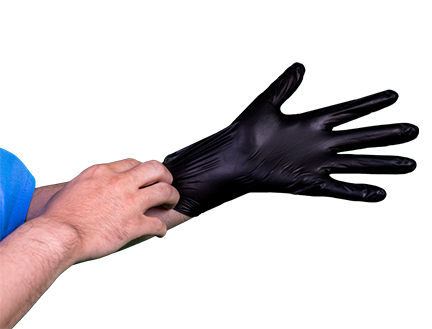
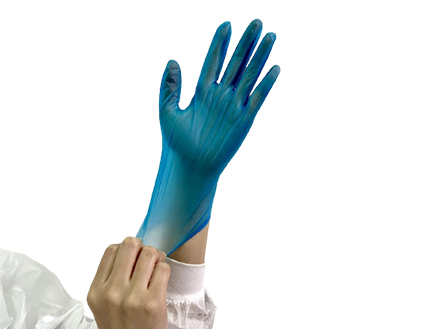
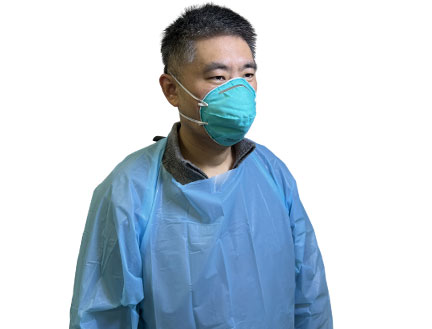
Head protection works best as part of an integrated system. For optimal infection control in laboratories and hospitals, combine proper headwear with:
· Disposable lab gowns for body protection
· Non-woven shoe covers for foot protection
→ Read our upcoming guide: Lab Gowns PPE & Disposable Lab Coats: Essential Protection for Laboratories
→ Read our upcoming guide: Non-Woven Disposable Shoe Covers: Why They Outperform Plastic in Healthcare & Cleanroom Environments
In 2026, there is no universal “winner” between disposable surgical caps and bouffant caps — the best choice depends on your specific risk level, procedure type, staff comfort, and budget. Many forward-thinking facilities maintain both options to meet diverse departmental needs.
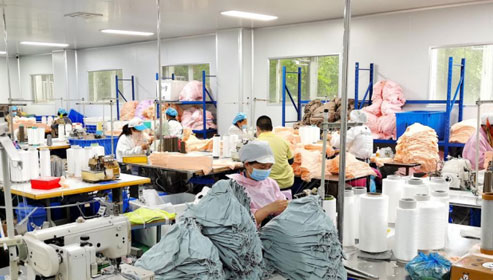
JQ Care, as a professional manufacturer, offers high-quality, customizable surgical caps and bouffant caps with consistent quality, competitive wholesale pricing, and global shipping support.
Ready to upgrade your medical head protection?
Explore Disposable Surgical Caps
Q1: What is the main difference between surgical caps and bouffant caps?
Surgical caps offer a tailored, close fit with better fluid resistance, while bouffant caps provide looser, fuller hair coverage and are generally lighter and more economical.
Q2: Are bouffant caps better than surgical caps for preventing surgical site infections (SSI)?
Recent studies show no statistically significant difference in SSI rates when adjusting for procedure type. Facility policy and proper usage matter more than cap style alone.
Q3: Which cap type is more comfortable for long surgical shifts? It depends on preference — many surgeons prefer the streamlined fit of surgical caps, while others favor the lightweight breathability of bouffant caps.
Q4: Do disposable surgical caps and bouffant caps meet international standards?
Yes. Premium versions can comply with EN 13795, ASTM F1671, and AORN/CDC guidelines. Always verify test reports when purchasing.
Q5: Can bouffant caps be used in operating rooms? Yes, many hospitals use them successfully. Some facilities combine a skull/surgical cap under a bouffant for extra coverage.
Q6: Are JQ Care caps latex-free and lint-free?
All JQ Care disposable surgical caps and bouffant caps are latex-free and designed to be lint-free, reducing contamination risk.
Q7: What colors and sizes are available?
Standard colors include white, blue, and green. Both types support full customization in size, fabric weight (gsm), and packaging.
Q8: How should facilities decide between the two types?
Form an interdisciplinary team (infection control, surgeons, procurement) to evaluate risk levels, staff feedback, and total cost of ownership.


 English
 日本語
日本語 한국어
한국어 français
 Deutsch
 Español
 русский
 português
 العربية