 English
 日本語
日本語 한국어
한국어 français
 Deutsch
 Español
 русский
 português
 العربية
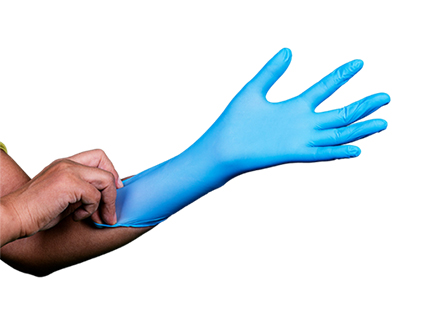
Vinyl and nitrile gloves are both latex-free disposable gloves, but they are designed for different working conditions. Vinyl gloves are generally more economical and suitable for short, low-risk tasks that require frequent glove changes. Nitrile gloves provide a closer fit, better durability and stronger resistance to punctures, oils and many commonly encountered chemicals, making them more suitable for medical examinations, laboratories, automotive work and other demanding applications.
The right choice should not be based on material alone. Buyers should also consider glove grade, thickness, intended contact time, required dexterity, chemical exposure, food-contact requirements and applicable product standards. This guide explains the main differences between vinyl and nitrile gloves and helps healthcare facilities, food processors, distributors and industrial buyers select the appropriate option.
Vinyl vs Nitrile Gloves: Quick Comparison
| Comparison Point | Vinyl Gloves | Nitrile Gloves |
|---|---|---|
| Primary material | Polyvinyl chloride, or PVC, with plasticizers | Synthetic nitrile butadiene rubber, or NBR |
| Fit | Generally looser and less form-fitting | Closer fit that conforms more readily to the hand |
| Puncture resistance | Suitable for light-duty tasks with limited mechanical stress | Generally better for tasks involving friction, tools or sharper objects |
| Chemical resistance | Limited; intended mainly for low-risk splash and hygiene applications | Broader resistance to oils, greases and selected chemicals, depending on formulation |
| Dexterity | Adequate for simple, short tasks | Usually better for detailed or longer-duration work |
| Typical cost | Usually lower | Usually higher, depending on thickness and grade |
| Common applications | Food service, general cleaning, beauty, caregiving and short low-risk procedures | Healthcare, laboratories, food processing, automotive, maintenance and industrial work |
What Are Vinyl Gloves Made Of?
Vinyl gloves are made primarily from polyvinyl chloride. PVC is naturally rigid, so plasticizers are added during production to make the material flexible enough to form a disposable glove.
This formulation makes vinyl gloves relatively easy to put on and remove. They are often selected for workplaces where employees perform a series of short tasks and replace gloves frequently. Examples include food preparation, housekeeping, basic patient care, hair coloring and handling non-hazardous materials.
Vinyl does not stretch and recover as effectively as nitrile. When the material is placed under repeated stress, the fit may become looser and the barrier may be more vulnerable to small tears or gaps. For this reason, vinyl gloves are generally better suited to low-risk applications rather than procedures requiring prolonged wear, high dexterity or significant puncture resistance.
What Are Nitrile Gloves Made Of?
Nitrile gloves are manufactured from nitrile butadiene rubber, a synthetic elastomer commonly abbreviated as NBR. Nitrile formulations can be adjusted to balance flexibility, tensile strength, oil resistance and chemical performance.
Compared with standard vinyl, nitrile gloves usually fit more closely around the fingers and palm. This closer fit improves grip and tactile control when workers handle medical instruments, small components, tools or wet and oily materials.
Nitrile gloves are widely used in healthcare, food processing, laboratories, pharmaceutical production, electronics, maintenance and automotive operations. However, buyers should not assume that every nitrile glove provides the same protection. Thickness, formulation, glove length, surface texture, quality level and product testing can vary considerably between models.
Which Provides Better Protection?
Puncture and Tear Resistance
Nitrile generally provides better puncture and tear resistance than vinyl of a comparable disposable-glove design. This makes nitrile a more practical choice for tasks involving repeated hand movement, equipment handling, sharp edges or extended wear.
Vinyl gloves can still provide an effective basic barrier for short tasks, but they are not normally the first choice when the glove will be stretched repeatedly or exposed to significant mechanical stress.
Chemical and Oil Resistance
Nitrile is commonly chosen for contact with oils, greases and a range of workplace chemicals. Vinyl has more limited chemical resistance and is mainly used for low-risk splash protection, hygiene and general-purpose tasks.
Neither material is resistant to every chemical. The U.S. Occupational Safety and Health Administration requires employers to select hand protection according to the task, conditions of use, duration and identified hazards. Buyers handling solvents, corrosive substances or other hazardous chemicals should review the safety data sheet and the glove manufacturer’s chemical-resistance or permeation data before use. See the OSHA Hand Protection Standard for additional selection principles.
Protection Against Biological Contamination
Both vinyl and nitrile gloves may be available as medical examination gloves when they meet the relevant regulatory and performance requirements. In the United States, the FDA identifies medical gloves as personal protective equipment used as part of an infection-control strategy. More information is available from the FDA medical gloves guidance page.
For higher-risk examinations, contact with blood or body fluids, or tasks requiring longer wear, nitrile is commonly preferred because of its closer fit and stronger physical performance. Vinyl examination gloves may be suitable for selected short-duration, low-risk and non-sterile activities, provided that the product is approved or documented for the intended medical use.
For hazardous drug handling, buyers should not rely on material type alone. Gloves should be specifically tested for the drugs involved. ASTM D6978 addresses the assessment of medical glove resistance to permeation by chemotherapy drugs.
Which Is More Comfortable?
Comfort depends on fit, thickness, internal finish, surface treatment, hand size and the length of time the glove is worn.
Nitrile gloves normally provide a more secure, form-fitting feel. Modern nitrile formulations become more flexible as they warm to the wearer’s hand, which can improve dexterity during detailed work. Textured fingertips may also help users grip wet instruments or small parts.
Vinyl gloves generally have a looser fit. This can be useful when workers must put on and remove gloves quickly, but excess material around the fingers can reduce tactile sensitivity. Stretch vinyl formulations can offer better elasticity and comfort than conventional PVC gloves while retaining the cost advantages of vinyl for many light-duty applications.
Both materials avoid natural rubber latex proteins, making them common alternatives for organizations seeking latex-free disposable gloves. However, some users may still react to chemical additives used during glove manufacturing. Workplaces with employees who have sensitive skin should evaluate the complete product formulation rather than relying only on the “latex-free” label.
Vinyl vs Nitrile Gloves Cost
Vinyl gloves are generally less expensive per glove, especially for large-volume applications involving frequent changes. A restaurant, cleaning company or care facility may therefore use vinyl gloves for short, repetitive tasks where advanced durability is not required.
Nitrile gloves usually cost more because of their material formulation and higher physical performance. The higher purchase price may be offset when workers require fewer glove replacements or when damaged gloves would create a greater safety, quality or contamination risk.
Actual glove cost is influenced by:
Raw-material market conditions
Medical, food-service or industrial grade
Glove weight and thickness
Cuff length
Surface texture
Powder-free or specialty internal treatment
AQL and quality-control requirements
Testing, certification and regulatory documentation
Order volume, packaging and private-label requirements
Professional buyers should compare the cost per completed task rather than the box price alone. A lower-priced glove may not reduce total operating cost if it tears frequently, affects productivity or provides insufficient protection for the application.
Best Uses for Vinyl and Nitrile Gloves
Medical and Healthcare Use
Nitrile examination gloves are generally the more suitable choice for patient examinations, contact with blood or body fluids, laboratory work and tasks involving greater puncture or contamination risk. Products intended for medical examinations should comply with the regulations and standards applicable in the destination market.
For reference, ASTM D6319-19(2023) covers requirements for nitrile examination gloves used in medical examinations and related procedures. ASTM D5250-19(2023) covers PVC gloves for medical applications.
Vinyl examination gloves may be considered for low-risk, non-sterile and short-duration activities such as basic care or handling non-hazardous materials. They should not automatically be substituted for nitrile in procedures where durability, close fit or stronger barrier performance is required.
Food Handling and Food Processing
Both vinyl and nitrile gloves can be used in food environments when the specific product is manufactured and documented for food contact under the applicable regulations.
Vinyl gloves are frequently selected for short food-service tasks, such as preparing sandwiches, handling bakery products or serving ready-to-eat food. Nitrile may be more appropriate for meat processing, oily foods, longer production shifts or tasks involving knives, equipment and repeated hand movement.
Gloves do not replace handwashing or proper glove-changing procedures. The FDA provides educational materials recommending gloves or utensils to avoid bare-hand contact with ready-to-eat foods. See the FDA retail food protection materials.
Cleaning and Janitorial Work
Vinyl gloves may be sufficient for light housekeeping, handling waste and using mild cleaning products. Nitrile is generally more appropriate when workers use stronger cleaning agents, handle oils or perform tasks that place more stress on the glove.
The chosen glove must still be checked against the specific cleaning chemical. A disposable nitrile glove may provide useful short-term splash protection but may not be suitable for prolonged immersion or highly aggressive solvents.
Laboratory, Automotive and Industrial Work
Nitrile is usually the better choice for laboratories, maintenance, painting, automotive repair, electronics assembly and other environments involving oils, grease, tools or precision handling.
Glove thickness should match the work. Thin nitrile gloves improve dexterity, while thicker or longer-cuff models can provide additional physical coverage. For example, 300 mm long nitrile gloves may be considered when users need more wrist and lower-forearm coverage than a standard 240 mm glove.
When Should You Consider Vinyl Nitrile Blend Gloves?
Some buyers need a glove that costs less than conventional nitrile but offers better comfort and durability than standard vinyl. In these applications, vinyl nitrile blend gloves can provide a middle option.
These gloves combine PVC with nitrile rubber to improve selected performance characteristics compared with basic vinyl formulations. They may be suitable for food processing, hygiene, cleaning, healthcare support and general industrial tasks where buyers need a balance between cost, fit and durability.
A blended material should not be assumed to provide the same chemical or puncture resistance as a full nitrile glove. Buyers should request technical specifications, test reports and application guidance for the exact product being purchased.
How to Choose Between Vinyl and Nitrile Gloves
Before placing a bulk order, evaluate the actual work process rather than choosing only by price or material name.
| Application Requirement | Recommended Starting Point |
|---|---|
| Frequent changes during short, low-risk tasks | Vinyl gloves |
| Closer fit and better tactile control | Nitrile gloves |
| Contact with oils, grease or selected chemicals | Nitrile, after checking compatibility data |
| Basic food-service hygiene | Food-contact-compliant vinyl or nitrile |
| Medical examinations or higher contamination risk | Certified nitrile examination gloves |
| Balance between vinyl cost and improved performance | Vinyl nitrile blend gloves |
Buyers should also confirm size range, thickness, length, texture, powder content, AQL, tensile properties, shelf life, storage conditions, packaging and destination-market compliance. Requesting samples for application testing is particularly important when changing glove materials or suppliers.
Frequently Asked Questions
Are nitrile gloves better than vinyl gloves?
Nitrile gloves generally provide better fit, puncture resistance, durability and resistance to oils and selected chemicals. Vinyl gloves may be the better economic choice for short, frequent and low-risk tasks. The best material depends on the hazard and working conditions.
Can vinyl gloves be used for medical examinations?
Yes, vinyl gloves can be used for selected medical examinations when the product is manufactured, tested and approved as a medical examination glove. They are generally more appropriate for short, low-risk and non-sterile activities than for demanding procedures.
Are vinyl or nitrile gloves better for food handling?
Both can be suitable when they comply with the applicable food-contact requirements. Vinyl is often used for short food-service tasks, while nitrile is usually preferred for oily foods, meat processing, longer use and work involving greater mechanical stress.
Do nitrile and vinyl gloves contain latex?
Nitrile and vinyl gloves do not contain natural rubber latex proteins. They are commonly selected as alternatives for users avoiding natural latex. However, chemical additives in either material may still cause sensitivity in some individuals.
Can nitrile gloves protect against every chemical?
No. Nitrile provides useful resistance to many oils and workplace chemicals, but no disposable glove material protects against every chemical. Always check the manufacturer’s compatibility data for the exact chemical, concentration, temperature and expected contact time.
How often should disposable gloves be changed?
Disposable gloves should be changed between incompatible tasks, when moving from contaminated work to clean work, after contact with potentially hazardous material, or immediately when damaged, torn or visibly contaminated. The CDC also states that gloves are not a substitute for hand hygiene. Hands should be cleaned before donning gloves when required and after removing them. See the CDC clinical hand hygiene guidance.
Choosing Disposable Gloves for Bulk Purchasing
There is no single winner in the vinyl vs nitrile gloves comparison. Vinyl offers an economical solution for high-volume, short-duration and low-risk work. Nitrile provides stronger physical performance, a closer fit and wider application potential for medical, laboratory and industrial environments.
JQ Care supplies disposable PPE gloves in vinyl, nitrile, vinyl nitrile blend and other materials for medical, food-service and industrial applications. Buyers can compare glove material, thickness, length, grade, packaging and customization options according to their intended market and working conditions.
Need help comparing disposable glove specifications?
Share your application, destination market, required grade, size range and annual order volume with JQ Care.
Request Samples and PricingReferences
Centers for Disease Control and Prevention — Clinical Safety and Hand Hygiene
Occupational Safety and Health Administration — Hand Protection, 29 CFR 1910.138
ASTM D6319-19(2023) — Nitrile Examination Gloves for Medical Application
ASTM D6978 — Resistance of Medical Gloves to Chemotherapy Drug Permeation