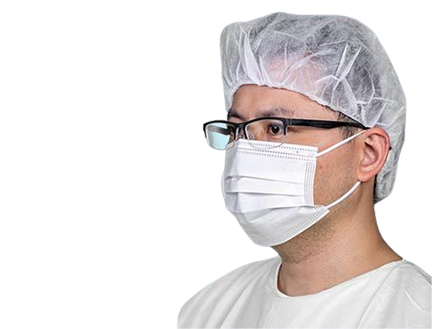

Isolation gowns, surgical gowns, lab coats and coveralls are all forms of protective clothing, but they are not interchangeable. Each garment is designed with different coverage, barrier performance, construction and intended-use considerations. Selecting the right option requires understanding the workplace hazard, expected contact with blood or body fluids, required body coverage and applicable facility or regulatory requirements.
This guide compares the key differences between isolation gowns, surgical gowns, disposable lab coats and disposable coveralls, helping healthcare, laboratory and industrial buyers select protective clothing according to actual application needs.
Key Takeaways
Isolation gowns are selected according to anticipated patient interaction and exposure to blood, body fluids or other potentially infectious material.
Surgical gowns are intended for surgical procedures and use defined critical zones for barrier-performance evaluation.
Lab coats are commonly used for laboratory and general work-clothing protection, but their protective performance depends on the material and task.
Coveralls generally provide more continuous body coverage than gowns, often covering the torso, arms and legs and sometimes the head and feet.
No garment should be selected by name alone; buyers should confirm intended use, barrier requirements, construction and supporting documentation.
The table below summarizes the practical differences between the four common types of protective clothing. Exact performance varies by product specification, material and test results.
| Feature | Isolation Gown | Surgical Gown | Lab Coat | Coverall |
|---|---|---|---|---|
| Typical Coverage | Torso and arms, commonly neck to knees | Front torso and arms with defined critical zones | Torso and arms | Torso, arms and legs; some designs include hood or boot covers |
| Main Use | Patient care and isolation precautions | Surgical procedures | Laboratory and general workplace protection | Applications requiring more continuous body coverage |
| Barrier Requirement | Depends on expected exposure and claimed performance | Selected according to surgical exposure and required barrier performance | Depends heavily on material and task | Depends on hazard, material, seam and garment specification |
| Sterility | Product dependent | Sterile when required for the surgical application | Usually non-sterile | Product and application dependent |
| Selection Priority | Exposure risk and barrier level | Surgical procedure and critical-zone protection | Laboratory hazard and comfort | Whole-body coverage and hazard assessment |
An isolation gown is protective apparel used when healthcare personnel may have contact with blood, body fluids, secretions, excretions or contaminated surfaces. The need for a gown and the required barrier performance depend on the nature of the patient interaction and the anticipated degree of exposure.
Isolation gowns are available in multiple constructions, including lightweight polypropylene, coated or laminated materials and polyethylene. These materials provide different balances of breathability, liquid resistance and cost.
For routine applications where lightweight construction and breathability are priorities, buyers can compare JQ Care PP isolation gowns. When additional liquid resistance is required, other material constructions should be evaluated according to their tested performance and intended use.
A surgical gown is protective clothing worn by healthcare personnel during surgical procedures. Its purpose is to reduce the transfer of microorganisms, body fluids and particulate material between the surgical team and the patient.
Unlike a general isolation gown, surgical gown performance focuses on defined critical zones, particularly the front of the garment and sleeve areas that are more likely to encounter fluids during a procedure. The required gown should therefore be selected according to the procedure, anticipated fluid exposure and documented barrier performance.
JQ Care offers disposable surgical gown options including standard and reinforced constructions for different purchasing requirements.
A lab coat is a protective outer garment commonly used in laboratories, research facilities, healthcare workplaces and some industrial environments. It typically covers the torso and arms while allowing easier movement and repeated access to pockets or work equipment.
A lab coat should not automatically be treated as equivalent to an isolation gown. Appropriate protective clothing depends on the task and expected exposure. Where blood, chemicals or other hazardous materials may penetrate the garment, buyers need to confirm that the selected fabric and construction provide adequate protection for the anticipated conditions.
Explore JQ Care disposable lab coats for available non-woven and protective configurations.
A disposable coverall is designed to provide more continuous body coverage than a traditional gown. Typical designs cover the torso, arms and legs, while some configurations also include a hood, integrated boot covers or other features.
Coveralls may be selected for healthcare, pharmaceutical, cleanroom, maintenance or industrial applications depending on the specific material and certified performance. However, greater body coverage does not automatically mean greater barrier protection. Material resistance, seams, closures and applicable test standards must also be considered.
Buyers requiring more extensive body coverage can compare the JQ Care disposable coverall range, including non-woven and microporous options.
The biggest difference is intended use and protective-zone design. Isolation gowns are selected for patient-care and isolation situations according to anticipated exposure, while surgical gowns are designed specifically for surgical procedures.
| Comparison | Isolation Gown | Surgical Gown |
|---|---|---|
| Primary Setting | Patient care and isolation precautions | Surgical procedures |
| Protection Focus | Coverage appropriate to isolation exposure | Defined surgical critical zones |
| Selection Basis | Patient interaction and anticipated exposure | Procedure, critical zones and barrier requirement |
Isolation gowns and lab coats can both cover the wearer's clothing, but their design and intended applications are different. An isolation gown is selected specifically around contamination and body-fluid exposure risks in patient-care environments. A lab coat is more commonly used as general protective clothing in laboratories and workplaces.
| Isolation Gown | Choose when the task requires protective clothing for patient care, isolation precautions or anticipated contamination of clothing and exposed body areas. |
| Lab Coat | Choose when laboratory or workplace procedures require outer-garment protection and the selected material is appropriate for the expected hazard. |
The most visible difference between an isolation gown and a coverall is body coverage. Traditional gowns usually leave portions of the back and lower legs less continuously covered, while coveralls are designed to surround more of the body and may include the head or feet.
However, coverage and barrier performance are separate considerations. A full-body coverall should not automatically be assumed to provide better liquid or pathogen resistance than a tested gown. Buyers should compare the material, seam construction, closures, certified performance and requirements of the specific task.
Instead of choosing protective clothing only by product name or price, procurement teams should define the hazard and required performance first.
| Buying Factor | What to Confirm |
|---|---|
| Intended Use | Patient care, surgery, laboratory work, cleanroom or industrial activity |
| Exposure | Expected contact with liquids, blood, body fluids, chemicals, particles or contaminated surfaces |
| Body Coverage | Determine whether torso-and-arm coverage is sufficient or more continuous body coverage is required |
| Barrier Performance | Confirm relevant test results and claimed protection instead of assuming performance from material name alone |
| Comfort & Fit | Compare sizing, breathability, cuffs, closures and expected wearing time |
| Documentation | Verify test reports, labeling and regulatory documents required for the destination market |
| Application | Common Starting Point |
|---|---|
| Routine Patient Care | Isolation gown selected according to anticipated exposure |
| Surgical Procedure | Surgical gown with appropriate documented barrier performance |
| General Laboratory Work | Lab coat or other protective garment selected according to laboratory hazard assessment |
| More Continuous Body Coverage | Coverall with suitable material, seam and closure performance |
Comparing Disposable Protective Clothing for Bulk Purchasing?
Compare JQ Care isolation gowns, surgical gowns, lab coats and coveralls according to material, required coverage, application and order specifications.
Explore Body Protection Request a QuoteNo. Isolation gowns are selected for patient-care and isolation situations according to anticipated exposure, while surgical gowns are specifically intended for surgical procedures and have defined critical protective zones. The appropriate garment should be selected according to intended use and verified barrier performance.
Not automatically. Lab coats and isolation gowns have different designs and intended applications. The correct choice depends on the expected exposure and whether the selected garment provides adequate coverage and barrier protection for the task.
A coverall generally provides more continuous body coverage, but greater coverage does not automatically mean higher barrier performance. Material, seam design, closures and tested resistance must also be evaluated against the actual hazard.
Buyers should confirm intended use, exposure conditions, garment material, body coverage, size, closure design, required barrier performance, packaging and the test or regulatory documentation required for the destination market.
U.S. Food and Drug Administration: Medical Gowns
CDC / NIOSH: Selecting Protective Clothing
U.S. Occupational Safety and Health Administration: Selection of Appropriate Protective Clothing for Occupational Exposure

 English
 日本語
日本語 한국어
한국어 français
 Deutsch
 Español
 русский
 português
 العربية