
Following the cost-efficiency theory, people find always new alternative product to reduce the cost. For this reason, polyethylene (PE) family products are discovered in the latest decades.
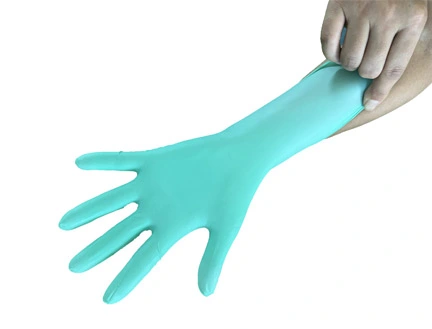
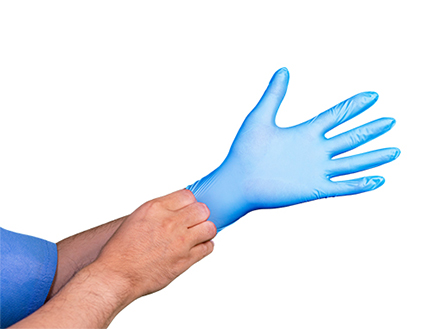
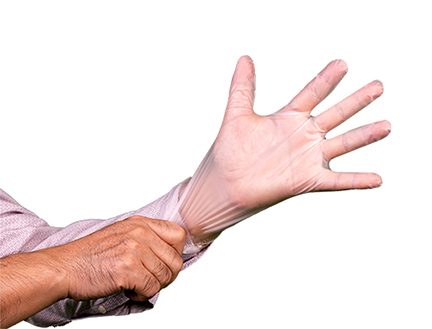
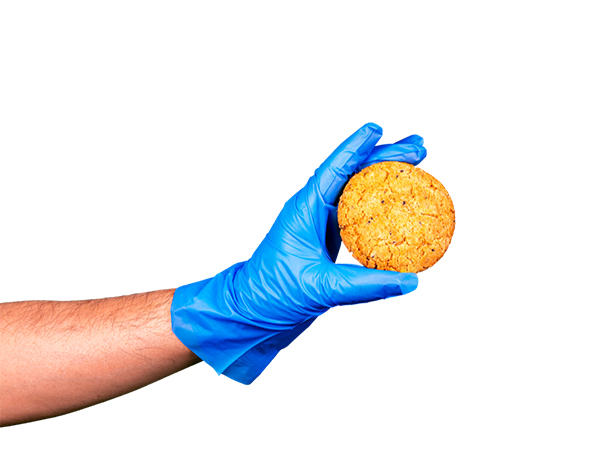
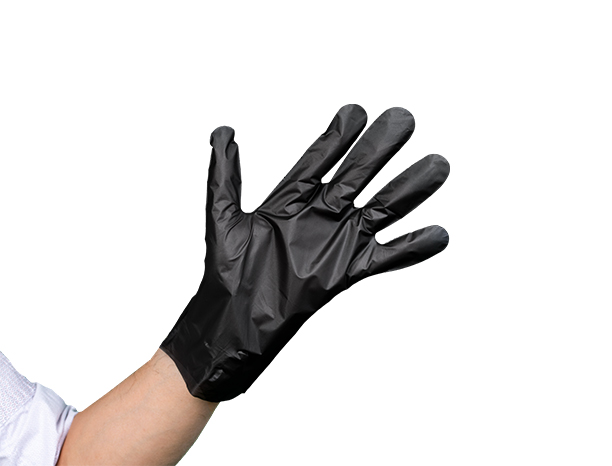
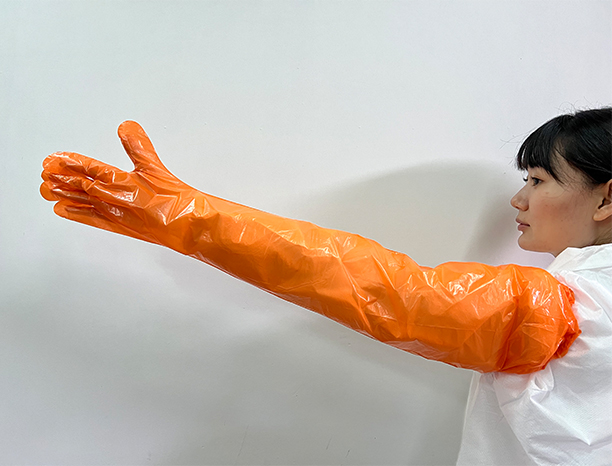
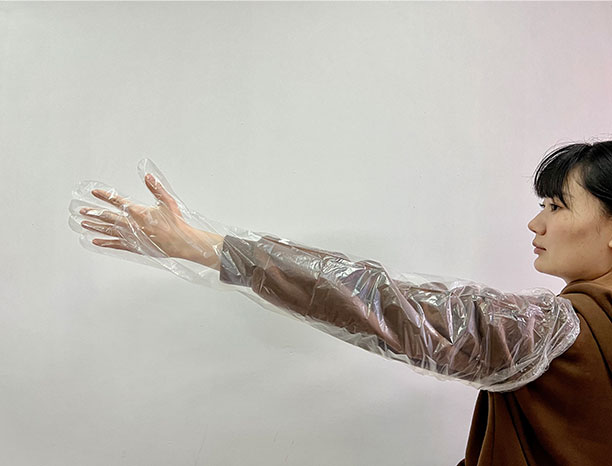
Polyethylene gloves are JQ Care disposable glove range's most economical gloves. They are perfect for light tasks that require frequent changes area. Polyethylene has a excellent chemical stability, the glove in it is made by cutting and heat-sealing the film. The glove has a loose fit design for easy donning, is especially useful in food service and processing lines, beauty/hair salon, general housekeeping, pet care and many other high volume applications. Our PE Gloves are available in high density (HDPE), low density (LDPE), cast poly (CPE), and thermoplastic elastomers - TPE glove.
All PE gloves are 100% Phthalate, Latex and Silicone Free, therefore you are safe to wear them, and no latex allergies risks.
| Type | Material | Key Feature | Best For |
| HDPE | High-Density | Harder & Thinnest | Petrol stations, light cleaning |
| LDPE | Low-Density | Flexible & Soft | Food service, cosmetology |
| CPE | Cast Poly | Strong Grip (Embossed) | Hospitals, food processing |
| TPE | Thermoplastic | Rubber-like Stretch | Medical labs, electronic assembly |
HDPE glove is harder and thinner than LDPE glove, used for the places where require the lowest costs, like use at petrol station or counter at restaurant,hotel,department store.
LDPE gloves are a more flexible, less rigid than HDPE, therefore good for gloves which require a greater sensitivity and softer welds, as for example in the food, cosmetology industry.
When examining the difference between CPE and PE disposable gloves, one will find that CPE options offer a more rugged texture for specialized tasks. CPE gloves are developed from PE Gloves, have a stronger and deeper embossing surface, to meet customer requirements for higher sensitivity and better grip. They are very durable and strong, tend to weigh more in grams than HDPE,LDPE and TPE gloves, which makes them perfect for various applications from hospitals to home. They are an excellent choice for cost effective basic barrier protection in healthcare, nursing, and general care sectors.
TPE gloves are made of thermoplastic elastomers, polymers that can be molded more than once when heated. Thermoplastic elastomers have the similar elasticity as rubber. TPE gloves are more smooth, have much better tensile and elongation than CPE gloves and any other PE gloves. It is well-waterproofed, even can be approved by AQL1.5 test, some people try to use them to take place of Nitrile and PVC gloves in certain professional workplaces.
TPE material also has a soft touch, good puncture resistance, and no plasticizer. It is an eco-friendly and non-toxic material, which is widely used in daily necessities in contact with food or the human body. You can definitely use TPE glove in food processing, hotel, cleaning, beauty salons, agriculture, scientific laboratory, medical care or electronic assembling industry.
For tasks requiring even higher chemical resistance or puncture protection, explore our Vinyl Nitrile Blend Gloves. If your application also requires body protection, our Microporous Coveralls and Disposable Clip Caps provide a complete, food-safe hygiene solution.
As the cost of Nitrile and PVC gloves fluctuates, our TPE (Thermoplastic Elastomer) gloves offer a reliable, eco-friendly alternative. With AQL 1.5 water-proof rating and high tensile strength, TPE gloves provide a 'rubber-like' elasticity that mimics Nitrile, making them perfect for professional workplaces requiring both sensitivity and durability at a fraction of the cost.


Yes, all our HDPE, LDPE, CPE, and TPE gloves are 100% Phthalate, Latex, and Silicone free. They comply with food contact safety regulations and are non-toxic.
The deep embossing on our CPE gloves provides a superior grip even when handling wet or slippery items, making them a preferred choice for food processing and healthcare sectors.
Yes, TPE is an eco-friendly thermoplastic material that can be remolded and recycled, making it a more sustainable choice compared to traditional latex.
Phone:
E-mail:
Hongkong:
 English
 日本語
日本語 한국어
한국어 français
 Deutsch
 Español
 русский
 português
 العربية