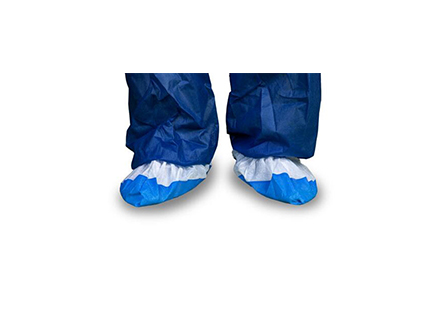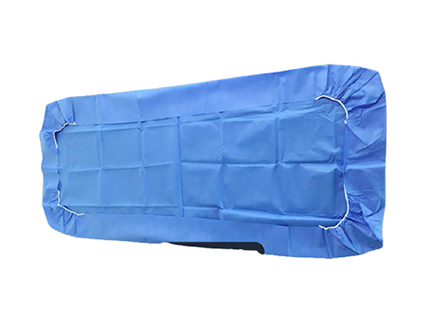

Disposable shoe covers are commonly used in food processing facilities to help manage footwear-related contamination between different work areas. Choosing the right product involves more than selecting a standard plastic or non-woven cover. Floor conditions, moisture exposure, footwear dimensions, employee movement and the facility's hygiene procedures all influence the purchasing decision.
For food manufacturers, hygiene managers and PPE procurement teams, a suitable disposable shoe cover should match the conditions in which it will be used. A product intended for a dry packaging room may not be appropriate for a wet washing area, while a cover that fits visitors' shoes may not fit larger industrial work boots.
This guide explains how to evaluate disposable shoe covers for food processing, compare material options, consider grip and fit, and prepare a clear specification for bulk purchasing.

Footwear can carry dirt, moisture and particles from one area to another. In food production environments, managing this transfer is part of a broader hygiene program that may include designated footwear, changing areas, floor cleaning, hand hygiene and protective clothing.
Disposable shoe covers can support these procedures when the facility's risk assessment and hygiene rules permit their use. They may be relevant when employees, contractors or visitors need temporary footwear coverage before entering a designated area.
Common situations include dry ingredient handling, food packing rooms, maintenance visits, inspection areas and transition zones between general-access corridors and designated production areas.
Food processing facilities should establish protective clothing and hygiene procedures appropriate to their operations. The FDA Food Code provides a reference for food hygiene practices and personnel-related requirements. Buyers should confirm the rules applicable to their facility and location; the Food Code does not mean every food processing site must use disposable shoe covers.
Shoe covers are not a replacement for a facility's cleaning, sanitation or footwear-control procedures. They should be selected and used as one component of a documented hygiene system, with replacement and disposal practices defined by the site.
The first purchasing decision is to identify the environment where the covers will be used. Food processing facilities may contain dry ingredient rooms, general packaging lines, washdown areas and spaces where moisture is frequently present.
| Work Area | Key Selection Considerations |
|---|---|
| Dry ingredient handling | Footwear coverage, fit, comfort and the site's contamination-control procedure. |
| Dry packaging areas | Ease of changing covers, durability during normal movement and consistent sizing. |
| Wet processing areas | Required resistance to moisture, cover integrity, floor conditions and applicable safety procedures. |
| Visitor entry points | A suitable size range, quick application and clear instructions for changing and disposal. |
Plastic film covers made from PE or CPE may be considered when moisture resistance is a priority. Non-woven polypropylene covers may be more appropriate for some dry indoor applications where breathability and comfort are important. The final choice should be based on actual product construction and site requirements.
For wet environments, confirm the required liquid-barrier performance of the finished product rather than relying only on the material name. Also evaluate floor conditions, footwear fit and the need for separate protective footwear.
Different disposable shoe cover constructions offer different characteristics. The most appropriate option depends on the work environment, expected wearing time, required moisture resistance and purchasing specifications.
Polyethylene (PE) shoe covers are lightweight plastic film covers commonly used for temporary footwear coverage and general hygiene applications. When comparing PE options, check the film specification, dimensions, seam construction, elastic opening and packaging quantity.
Chlorinated polyethylene (CPE) covers are another plastic option. Depending on construction, they may offer a textured surface or different durability characteristics. Confirm the exact specification and assess the product under intended working conditions. An embossed surface should not automatically be treated as proof of tested slip resistance.
Non-woven shoe covers made from polypropylene are fabric-like alternatives that may be suitable for dry indoor work environments. Buyers should consider breathability, fit, fabric construction and expected duration of use.
Review the available plastic shoe covers when moisture resistance and a plastic film construction are priorities. Confirm the selected model's dimensions, surface and packaging before placing a bulk order.
A disposable shoe cover must remain appropriately positioned on footwear during normal movement. Poor fit may cause a cover to loosen, tear or interfere with walking. In food processing environments, these issues should be considered alongside floor conditions and safety procedures.
Footwear compatibility: Check whether the cover fits the shoes or boots commonly worn by employees and visitors.
Opening and elastic: Confirm that the opening can be put on securely without excessive stretching or tearing.
Coverage: Check whether the cover provides sufficient coverage around the intended footwear.
Surface design: Review whether the surface is smooth or embossed and whether any grip requirement has been tested.
Movement: Evaluate the cover under representative walking, turning and routine workplace activities.
Replacement: Define when covers must be removed and replaced, particularly after damage or contamination.
When evaluating shoe covers for wet work areas, product selection should be considered alongside workplace floor-safety procedures. The OSHA walking-working surfaces requirements address workplace surface conditions, including the need to maintain clean and, where feasible, dry floors. Shoe cover selection should not replace appropriate slip-resistant footwear or other required safety measures.
If slip resistance is important, request product-specific test information and assess suitability for the actual floor surface and working conditions. A textured surface alone does not guarantee safe performance on wet, oily or uneven floors.
A clear specification makes it easier to compare supplier quotations and reduce misunderstandings. Instead of requesting a general disposable shoe cover, define the product and packaging requirements before asking for prices.
| Specification Item | Information to Confirm |
|---|---|
| Material | PE, CPE, PE+PP or PP/SMS non-woven, according to required construction. |
| Dimensions | Finished length and width, plus footwear sizes and shapes to be accommodated. |
| Surface | Smooth, embossed or another specified surface finish. |
| Color | Preferred color and any color-coding requirements. |
| Packaging | Pieces per bag, bags per carton, carton dimensions and labeling requirements. |
| Quantity | Estimated order volume, replenishment frequency and delivery schedule. |
If the facility uses several footwear types, provide representative measurements or samples for evaluation. This is particularly useful when covers must fit safety boots or other footwear with a larger profile than standard shoes.
For sites using several disposable hygiene products, a broader industrial and food processing PPE selection can help procurement teams organize requirements across work areas. Each item should still be assessed according to its own intended use.
Bulk purchasing requires a balance between unit cost, product consistency, packaging efficiency and supply planning. A low quotation may not represent the best option if dimensions, material construction or quantity per carton differ from requirements.
Equivalent specifications: Make sure each quotation covers the same material, dimensions, surface and packaging quantity.
Minimum order quantity: Confirm the MOQ for the selected material and customized configuration.
Sample review: Request samples where available and check fit, handling and suitability.
Quality consistency: Ask how product specifications and inspection requirements are documented for repeat orders.
Carton configuration: Confirm pieces per bag and carton to calculate actual cost per usable cover.
Lead time: Confirm production and shipping schedules against replenishment needs.
Documentation: Verify that requested certificates or test reports apply to the specific product.
For example, a facility that consumes 2,000 shoe covers per working day should estimate expected monthly consumption, planned safety stock and replenishment lead time before deciding on an order quantity. Actual requirements depend on the number of workers and visitors, cover-change frequency and operating schedule.
For repeat purchasing, keep an approved specification recording material, dimensions, packaging and product-specific performance requirements. This gives procurement teams a consistent reference for quotations and future deliveries.
They can be used as part of a facility's footwear hygiene procedures when the selected product and its intended use meet site requirements. Assess contamination risks, floor conditions, footwear needs and applicable hygiene rules before choosing a product.
PE or CPE plastic covers may be considered when moisture resistance is a priority. Confirm the finished product's performance and assess grip, fit and actual floor conditions. Shoe covers alone do not replace suitable safety footwear.
Non-woven covers may be appropriate for certain dry indoor environments where breathability and comfort are useful. The final choice should follow facility hygiene procedures and product specifications.
Check the length, width and shape of footwear used at the facility, including safety boots. Compare these measurements with finished cover dimensions and opening. Request samples or discuss customized sizes if standard products do not provide sufficient coverage.
Include the intended work area, preferred material, dimensions, surface finish, color, order quantity, packaging format, delivery destination and any required product documentation.
Selecting disposable shoe covers for food processing requires a clear understanding of the working environment, moisture exposure, footwear dimensions and hygiene procedures. Defining these requirements before purchasing helps food manufacturers compare products consistently and plan bulk orders with greater confidence.
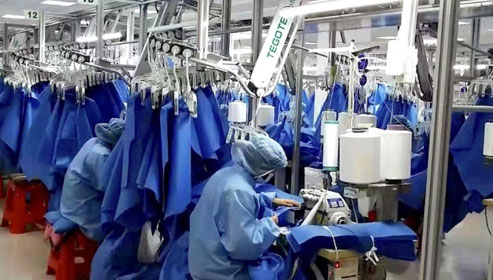
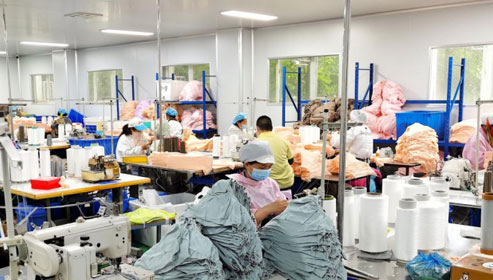
JQ Care supplies disposable shoe covers in plastic and non-woven constructions, with options for different materials, sizes, colors and packaging configurations. Confirm the availability and specifications of the selected product before ordering.
To discuss your requirements, visit the disposable shoe covers product range or contact JQ Care with your preferred material, required dimensions, order quantity and destination market.
For a bulk quotation, please contact the JQ Care team and provide your product specification.
This is the first one.

 English
 日本語
 한국어
 français
 Deutsch
 Español
 русский
 português
 العربية