
FOOD PRODUCTION AND PERSONNEL HYGIENE
A worker can be wearing a disposable cap while a fringe, ponytail or hair at the back of the neck remains outside it. At an open-food packing line, checking that a cap is present leaves an important question unanswered: is the hair actually contained?
Selecting hair restraints for food processing means matching the cover to the required coverage, the wearer's hairstyle and the entry routine. A practical specification explains what must stay covered, how staff check it and which approved product they should use.
Selection principle: A bouffant or fully expanded clip cap may provide the scalp-hair coverage your operation needs. Assess a hood when the specified coverage extends around the head and neck. Check facial-hair coverage separately and verify that the selected design stays in position during the task.
Map the places where people handle exposed ingredients, finished food, clean food-contact equipment or packaging intended to contact food. Include maintenance access and visitor routes. A job title alone does not describe the areas someone enters.
For example, a technician who normally works in a workshop may need to pass through an open-product packing area. Define the entry requirements for that route before the visit, including the head covering and other workwear specified by the site.
| Work situation | What to assess | What the entry instruction should clarify |
|---|---|---|
| Open-food preparation or packing | Hair coverage while leaning, looking down and moving between work positions. | The approved cover, required coverage and the check before starting work. |
| Work around clean food-contact equipment | Access to cleaned surfaces, equipment openings and food-contact packaging. | Which personnel-hygiene rules apply during cleaning, inspection and maintenance. |
| Visitors or contractors crossing production areas | The actual route and any changes of area during the visit. | Where to collect the cover, how to wear it and who checks entry. |
For applicable U.S. food manufacturing operations, 21 CFR 117.10(b)(6) addresses effective use of hair restraints where appropriate, including caps, hair nets and beard covers. The provision focuses on their effective use rather than naming one cap shape for every operation.
The FAO personal-hygiene guidance also emphasizes written hygiene procedures and ensuring personnel understand and follow them. A product choice works best alongside a clear wearing instruction.
For U.S. restaurants and retail food businesses, the FDA Food Code is a model offered for adoption by governmental jurisdictions. Check the requirements adopted for the location and operation concerned when writing the site's procedure.
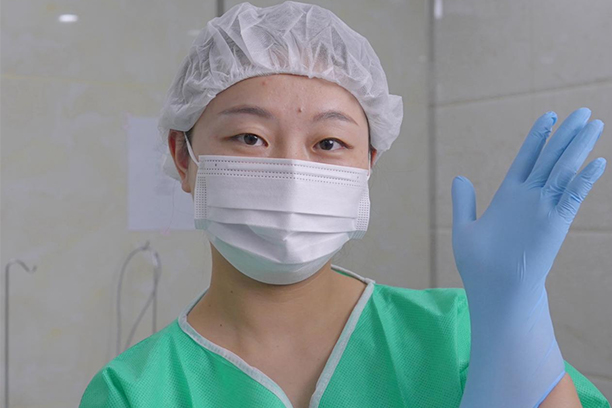
JQ Care bouffant cap. Check the selected sample on the hairstyles and workwear used at your facility.
Assess whether the cap contains hair at the forehead, temples, sides and back of the head. The bouffant cap has a rounded form. A pleated clip cap is supplied folded and needs to be expanded before its coverage can be assessed.
When the specification includes the nape or neck, consider a non-woven hood or astronaut-style cap. Check its opening and the way it meets the workwear collar while the person turns and bends.
Facial hair needs its own coverage check. A cap covering scalp hair does not automatically contain a beard or moustache. Where the site's procedure requires facial-hair containment, assess a suitable beard restraint or a design that covers the required area when worn.
A cap may enclose a bun while its edge rides upward at the back. Arrange long hair in the style permitted by the facility, then assess the cover with that hairstyle in place. Look at the complete coverage after putting it on.
Check the fringe and short hairs around the forehead.
Look behind the ears and around the side hairline.
Confirm that tied hair is inside the cover and does not pull the edge away from the nape.
Repeat the check after normal head turns and bending movements.
JQ Care lists 53 cm (21 inches) or customized measurements for its bouffant and clip caps. Confirm what the product measurement describes with the supplier. The listed cap dimension should not be treated as a universal head-circumference limit or a guarantee for every hairstyle.
Agree the dressing sequence with the site's hygiene team, including the point at which hand hygiene is completed. The following coverage checks can be built into that procedure:
Arrange the hair according to the site instruction. Fully open a pleated cap and position the selected cover so the required hair is contained. Follow the supplier's wearing instructions.
Use a mirror or the site's agreed check method. Correct exposed hair before entering the controlled area. Include facial-hair coverage where required.
Assess the cover with the clothing and equipment worn for the job. Check whether a collar, required headgear or ordinary work movement displaces the cap or pulls a hood out of position.
Follow the site's handwashing and entry procedure. If someone touches their hair or adjusts the cover during work, they should follow the applicable hand-hygiene procedure before returning to food handling.
At a visitor entrance, a short illustrated instruction can show the required coverage more clearly than a sign that only says “Wear a cap.” Keep approved covers accessible and identify who can help a visitor whose sample does not fit.
If staff repeatedly pull the cap down, retuck hair or move the elastic away from the skin, record when it happens. A different size or design may help, but first check how the cover was opened, positioned and combined with the hairstyle.
For a hood, observe the collar area during bending and turning. For a cap, watch the edge at the nape and around bulky tied hair. Include comfort over the intended wear period in the sample assessment, since an uncomfortable cover can encourage frequent handling.
Keep the trial relevant to the task: the candidate should contain the required hair without recurring repositioning. Record the issues and review them with the supplier before approving a replacement specification.
A facility may assign cap colors to visitors, departments or production zones. Define the meaning, the permitted route and any change required when moving between areas. Keep the same labels at the storage point and entrance.
Color identifies the site's chosen category; it does not establish hair containment, detectability or product qualification. Specify any required detection performance separately and request evidence for the exact product.
Once the sample works with the intended hairstyle, workwear and entry process, turn that approval into a purchasing specification. Two products sold as “disposable food-processing caps” may have different dimensions, elastic arrangements or fabric grades.
Style and coverage: cap or hood design, required coverage areas and approved sample reference.
Material and construction: fabric composition, basis weight, elastic arrangement and finished dimensions with their measurement method.
Color and packing: the site's color reference, pieces per bag, bags per carton and identification labels.
Use and documentation: intended operation, destination market and any specifically required product information or test evidence.
Order details: quantity and requested delivery timing, with commercial conditions confirmed in the quotation.
JQ Care's bouffant and clip cap catalogs list 100% PP, 10-30 GSM fabric and packing of 100 pieces per bag with 10 bags per carton. Customized specifications can be discussed. Confirm the selected configuration rather than using the full catalog range as the order description.
Keep the agreed drawing and approved sample reference with the order. If the material, dimensions or elastic construction changes, review the resulting fit before using that change as the basis for repeat purchases.
A cap is one of the restraint types identified in the U.S. provision discussed above. Its suitability depends on effective wearing, the required coverage and the applicable site's requirements. Check the selected design on the people and tasks concerned.
It can be assessed for that purpose when fully opened and worn with the permitted hairstyle. Check that the tied hair, sides and nape remain covered during normal movement. The cap label alone does not establish that it fits every wearer.
Check the area actually covered by the design. Scalp-hair coverage does not automatically include a beard or moustache. Use the facial-hair restraint specified by the facility where it is required.
The hair-restraint provision in 21 CFR 117.10(b)(6) does not prescribe a cap color. Follow the color policy and any additional requirements applicable to your facility. Blue fabric alone does not establish a tested detection capability.
Follow the supplier's single-use instructions and the site's replacement procedure. Replace a cover that is damaged, soiled or unable to maintain the required coverage. Define what happens after leaving an area or removing the cover in the facility's written procedure.
Send JQ Care the required coverage, hairstyles, intended workwear combination, material, dimensions, color and packing. Include the destination market and any required documentation so the proposed product can be reviewed before a bulk quotation is approved.
Explore Disposable Head CoversSend Your Requirements21 CFR 117.10: Personnel - U.S. personnel-hygiene provisions, including effective hair restraints where appropriate.
FAO: Personal Hygiene, GHP and HACCP Toolbox - guidance on personnel-hygiene procedures and practices.
FDA Food Code 2026 - a model for retail food and food-service requirements, offered for jurisdictional adoption.
 English
 日本語
 한국어
 français
 Deutsch
 Español
 русский
 português
 العربية